


I addressed last month the opportunity for foreign brands to sell in India. The country’s population is now the world’s largest, yet its ecommerce sales remain tiny compared to China, the U.S., and other developed economies. Big growth is coming.
A challenge for outside brands is navigating India’s laws that protect native sellers. I described the four paths for those brands: own a marketplace, partner with local distributors, transact cross-border, and sell company-owned products directly to consumers.
What I didn’t address was competition and demand for one product over another. Foreign merchants may enter the market only to encounter little appetite for their goods.
In this article, I profile four successful homegrown Indian brands. They’re examples of the right product, pricing, and distribution that appeal to the country’s growing middle class — Gen Zs (born 1997 to 2012) and Millennials (1981 to 1996) who comprise roughly half of its 1.46 billion population.
Blue Tokai
Blue Tokai
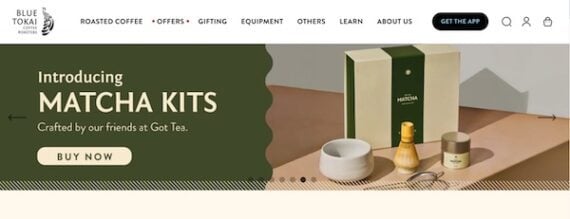
India is a tea-loving nation, with limited coffee consumption. But 13-year-old Blue Tokai did what Starbucks couldn’t: transform its roasted coffees into a 240-store chain by appealing to price-conscious urbanites.
Blue Tokai’s outlets emphasize a premium experience and price coffee 25% less than competitors. Stores display specifics on origin, roasting, and taste. Consumers responded.
The result is a cultural shift that competing brands — Third Wave Coffee, Sleepy Owl, Rage Coffee — have followed.
Minimalist
Minimalist
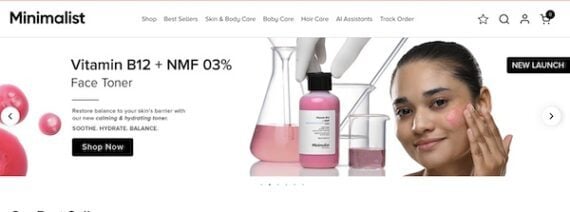
Minimalist launched in 2020 and won over younger adults with transparent, quality beauty and personal care products.
The company lists ingredients on packaging and educates shoppers about those components. Simple packaging, honest advertising, and tightly managed pricing built a loyal customer base among educated buyers who avoid hype.
Beauty and personal care brands often bleed cash on dead stock, customer acquisition costs, and discount wars. Minimalist avoided it all. It manufactures in-house, sells directly to consumers, maintains a tight portfolio, and prices goods lower than premium competitors.
Minimalist’s success captured the attention of big players. Consumer goods giant Hindustan Unilever acquired 90% of it for $350 million in 2025.
Snitch
Snitch
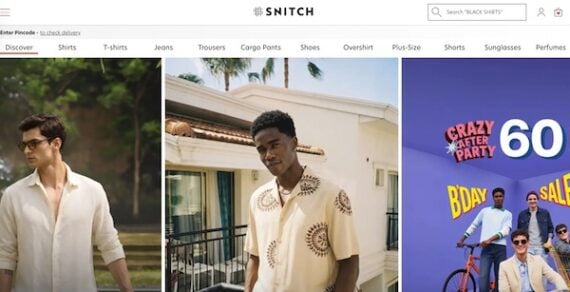
Men’s fast-fashion provider Snitch launched in 2019 as a B2B seller to physical stores. The company pivoted in 2020 to online D2C sales, which now account for 90% of total revenue.
Snitch applies Zara’s global fashion model to India. It focuses on immediate trends, an end-to-end supply chain, and aspirational branding to tap India’s Gen Zs and Millennials. Snitch’s design-to-shelf cycle is typically 25 days or less, and it launches 10 new styles daily, often in tiny batches of a few dozen units per SKU.
Snitch says it leverages AI to track user behavior across social media. If new product sentiment is positive, the company quickly expands production, and quickly drops it if negative.
The combined result of short production cycles and real-time monitoring is minimal unsold inventory.
Mokobara
Mokobara
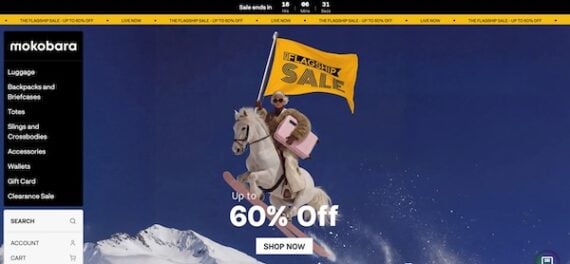
Mokobara is disrupting India’s luggage and accessories market dominated by legacy brands VIP, Samsonite, and Safari. Since its launch in 2020, Mokobara has focused on stylish, quality travel bags at accessible prices. The company tapped the whitespace between cheap, uninspiring luggage and high-end, expensive alternatives.
Mokobara started as a D2C seller on its branded website. It now sells D2C via marketplaces and its own stores, and offers 30-minute “quick commerce” delivery.
Its focus on modern travelers seeking design aesthetics and quality materials has proved successful, with revenue reportedly growing 20-fold since 2022.




 Double-Digit Ecommerce Growth Returns
 Contribution Margin Guides Ecommerce Growth
 Auto-Translate Won't Win E.U. Shoppers
 New Ecommerce Tools: August 19, 2026
 New Ecommerce Tools: August 26, 2026
 Google's Redirects Blur Search Rankings