


India’s Unified Payments Interface is a government-backed peer-to-peer infrastructure launched in 2016. It allows seamless payments between two bank accounts at near-zero cost.
UPI now powers 85% of India’s digital transaction volume, driven by its 900 million mobile internet users. Yet foreign ecommerce brands entering the country often rely on card-based checkout flows.
That mismatch hurts conversions from day 1.
The high UPI usage means buyers interact with localized, digital-first payment options such as Google Pay, Amazon Pay, PhonePe, and Paytm multiple times every day. From buying vegetables from a small roadside vendor to shopping at an expensive mall or buying groceries online, UPI is used everywhere.
For instance, I live in a mid-sized Indian city, Chandigarh. I rarely carry cash or even debit and credit cards. All transactions — food, fuel, school fees — happen on my phone via UPI, prompted mostly by scanning QR codes or, for ecommerce, by clicking the UPI option and entering my password.
For ecommerce operators, the inclusion of UPI is paramount, influencing conversion rates, brand trust, and shopper engagement.
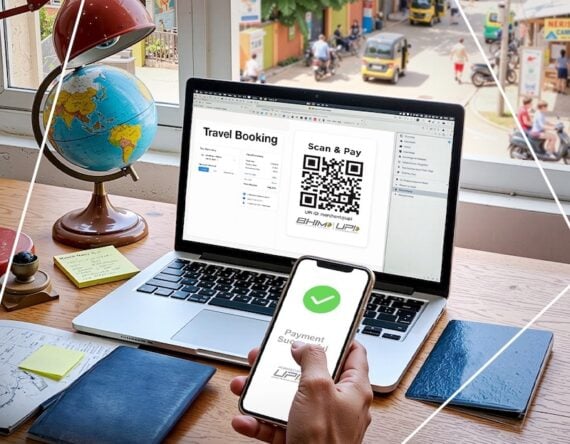
UPI-driven purchases are ubiquitous in India.
Impact on Ecommerce
Purchases via UPI are simple. An Indian buys a product from a vendor offering UPI payments. The transaction between two bank accounts occurs near-instantaneously when the buyer syncs her UPI PIN and bank account. There’s no hassle of entering details like card numbers and CVVs.
Indians prefer UPI for several reasons: It’s government-backed, trustworthy, fast, and frictionless, with little risk of fraud, unlike cards.
India’s ecommerce market is both massive (among the top five worldwide) and localized. The country has roughly 130 commercial banks, each with unique UPI setup and fraud-prevention rules. Navigating banking and regulatory requirements can be challenging for unfamiliar sellers.
Though Stripe and other U.S. payment gateways support card-based international checkout, local UPI integrations are available only through domestic payment service providers such as Razorpay and PayU.
Moreover, India has many legal complexities, including rules from the Reserve Bank of India (the country’s central bank), goods and services tax compliance, and data protection. It’s difficult to manage these systems without the local providers.
What to Prioritize
For merchants selling in India, UPI integration is non-negotiable.
Local payment providers offer other solutions such as comprehensive banking, buy-now pay-later, and Equated Monthly Installments, a consumer loan product. Providers manage foreign exchange rates, collect payments in buyers’ home currencies, and settle in any global currency, including U.S. dollars.
Perfecting the user checkout for UPI and mobile screens is another crucial step. Sellers should display prices in Indian rupees, not dollars or euros. It adds familiarity and avoids suspicion of hidden foreign exchange markups.





 The Race to Own AI Shopping
 New Ecommerce Tools: September 8, 2026
 New Ecommerce Tools: September 16, 2026
 Branded Sites Are Vital for Merchants
 Drive Awareness with Video Sequence Ads
 Does Retail Media Add Value?