

I speak with many international merchants looking to enter the U.S. market. Nearly all of them plan to launch on Amazon. But channels such as branded ecommerce sites and the fast-growing TikTok Shop increasingly offer alternatives.
Here’s an example. I consult with a hair-care brand that launched in the U.S. in 2021 via Instagram, then added Shopify and TikTok Shop. The brand’s average basket is $59. For two years the company gave products to small but specialized creators, purchased ads, and pushed affiliate deals. Nothing took off.
Then a product video went viral; sales jumped 50-fold. The growth accelerated to over $1 million annually, and soon the brand attracted attention from major distributors.
It’s an entrepreneurial success born of two years of testing, with no guarantee of a payoff. Nobody can plan a viral video, especially when TikTok Shop algorithms change constantly. What worked was the brand’s perseverance, an infrastructure set up to convert, and dozens of small creators posting regularly. And when the video hit, the components were in place to capture demand.
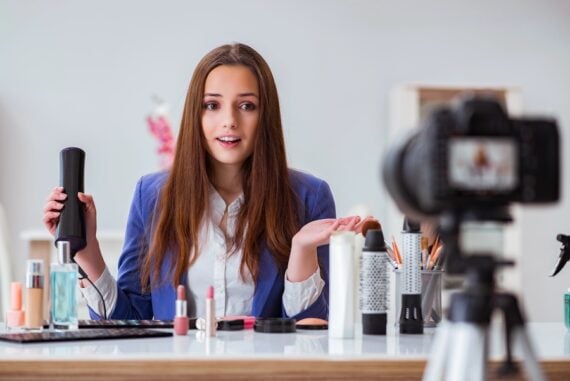
Creator videos appeal to health and beauty shoppers who seek a visible result on a real person.
Localized Creators
The brand deployed a tactic I rarely see marketers address: matching creators to languages. The company paired Spanish-speaking creators and audiences, and Russian- and Ukrainian-speaking creators with those communities.
The U.S. is a melting pot of language communities, and TikTok’s algorithm serves each of them separately.
The brand stayed with small creators rather than celebrities. Niche creators are easier to reach and more flexible. Their recommendations feel like advice from a friend or a specialist, or, in this case, hair-care experts and estheticians. A business can tap many of them simultaneously to see what resonates.
It helps that beauty-product shoppers seek a visible result on a real person, right now. There is a reason beauty and personal care is TikTok Shop’s largest category.
TikTok serves dual purposes: a direct sales channel and a demand generator for external stores, online and offline. Live shopping may spur on-platform sales, but other content may drive shoppers to branded sites or physical shops.
The halo effect is real. I have seen 500,000 TikTok views coincide with 5,000 additional branded searches on Amazon. People see a product in their feed and then type the name into a search bar. The channels feed each other more than most merchants assume.
The Best Channel
None of this means you should skip Amazon, especially for consumable goods that shoppers discover by typing a need in the search bar.
What’s the best channel for U.S. launches? It depends on whether consumers discover the product or search for it. A product that shows a visible result on camera at an easy price belongs on TikTok, while expertise-driven items belong on Amazon. Even better, the two can complement each other.
For a $59 hair-care product, the answer was TikTok. After two years of unglamorous testing, it was an overnight success.




 AI Shopping Could Mean Fewer Returns
 New Ecommerce Tools: September 30, 2026
 Don’t Make Them Count
 Retail Media's Opportunity Cost
 New Ecommerce Tools: October 7, 2026
 New GSC Image Filter Aids Product Discovery