

Molson Hart is the founder of Viahart, a D2C toy brand, and Edison, a legal technology company. He says every entrepreneur should own two businesses, where one offers more opportunities to scale, is more profitable, or diversifies risk.
I’m all in on Beardbrand, my own D2C brand launched in 2014. Molson is a two-time guest on the podcast. His comment got me thinking about an attractive second company, one that would enhance my life without creating stress and headaches.
So in this episode I’ll depart from my typical guest interviews and, instead, describe my ideal business.
My entire audio narrative is embedded below. The transcript is edited for length and clarity.
My optimal business is an ecommerce brand that sells easy-to-ship products. The items are likely small and, importantly, consumable. Once acquired, a customer would buy two or three times. The products would emphasize both value and prestige, with gross margins that at least cover acquisition ads on Meta.
Lastly, the products appeal to a large enough market to differentiate, niche down, and target the right audience.
So what are those?
Sean Frank is CEO of Ridge, the D2C wallet provider, and a veteran of this podcast. One could argue Ridge’s wallets are consumable: Release new versions, and they become fashion items, enticing repeat buyers.
Yet to me, consumables are what go in or on my body, what I eat or apply every day, such as food, supplements, and personal care goods. For ideas, I would walk into a grocery store, a Walmart, or a Target and just look around. What are folks buying? Which brands are old and stuffy, ripe for disruption?
Examples
Native has moved beyond deodorant, its original product. Moiz Ali, a former guest on this show, launched the deodorant-only brand in 2015 and reached $100 million in annual revenue within a couple of years. Native now sells multiple consumables: skincare, hand soap, toothpaste, and hair products.
Harry’s launched in 2012 as a D2C shaving goods provider, an affordable alternative to dominant players such as Gillette and Schick. The company was wildly successful.
Native and Harry’s focused on staples that consumers use daily.
Seven Sundays launched in 2011 at a Minneapolis farmers’ market. The founders, having realized that most cereal manufacturers used glyphosate-treated wheat and high-fructose corn syrup, offered a cleaner, healthier granola at a higher price point. It’s now a Certified B, ecommerce powerhouse.
Goodles sells a product every parent can appreciate: healthy macaroni and cheese for kids. The brand launched in 2020 with nutritious selections in bright, colorful packaging and fun product names, such as Shella Good and Twist My Parm. It’s another upstart challenging a dominant brand (Kraft) in a big market.
Opportunities
So the opportunities for me lie in creating new products in sizeable markets dominated by stale, out-of-touch providers.
I would differentiate those products in one of three ways.
First is better quality — superior ingredients or components. Parents who prioritize nutrition are unlikely to buy Kraft Mac and Cheese, but they would consider Goodles, even at a higher price. That’s one way to distinguish.
Another way is innovative packaging. Many entrepreneurs overlook this opportunity. Go again to Walmart, Target, and even trade shows. How are products presented and packaged? I’ve seen incredible packaging designs over the years. I once saw packaging for a cosmetic cream where users twisted a bottle cap and pumped the cream into a built-in bowl at the top, to then mix it before applying to their face.
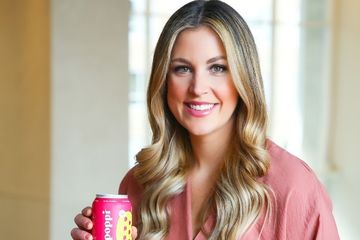
The third way is branding. It’s often easier to launch a brand named after the products it sells or the audience it targets. But doing that can restrict the company later, when the market shifts. Vacation.inc avoids that trap. Founded in 2021, the brand sells sunscreen but can easily pivot to other products and services should the market evolve.
Cool Products
It rarely makes sense to exactly replicate what another entrepreneur has started. Don’t listen to a successful owner on a podcast like this and think, “That guest is killing it. I’m going to do the exact same thing.”
Often the owner has not proven the business over the long term, and regardless, copying her merely carves up that audience. Instead, learn from successful brands such as Vacation, Inc., and apply their tactics to an entirely different market.
Have some fun. Make your own cool products.




 AI Shopping Could Mean Fewer Returns
 Retail Media's Opportunity Cost
 New Ecommerce Tools: October 7, 2026
 Guardrails for Google Ads AI
 New Ecommerce Tools: October 14, 2026
 Desktop Habits Hide Mobile Friction