

I met recently with a spa manager in California to introduce her to a French beauty brand. I told her about the company (a client) and shared that she might be the first U.S. spa to carry those products. I expected a wow, since the brand is popular in Europe and Asia.
Instead she declined, stating her customers ask for brands they know or that others have recommended. Carrying an unfamiliar brand is a risk, she told me.
That conversation changed how I approach marketing for online companies looking to penetrate physical retail.
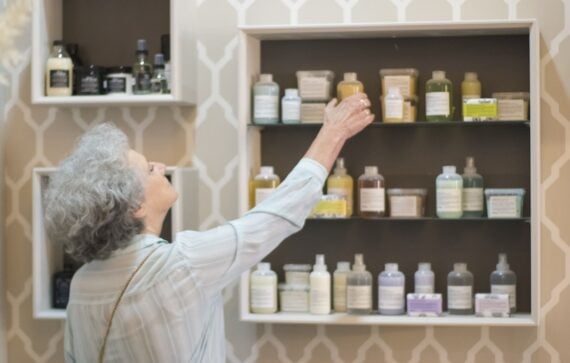
Customers in spas prefer brands they know or that others have recommended.
The Paradox
Spas, resorts, and specialty chains prefer exclusivity in their sales channels. But they also want products their clients recognize. Thus brands seeking offline channels should invest in awareness over immediate conversions.
The way in is through association membership and industry events. For example, SoCal Spa Wellness Collective in Southern California “brings together industry leaders, boutique spas, wellness retreats, and luxury brands to foster collaboration, innovation, and growth.” Annual membership for brands starts at $1,100.
Booths at a Live Love Spa event will likely lead to conversations with a couple dozen spa directors. European founders often question the cost and effectiveness, but it works. Once one resort is on board, the others typically follow.
Cold email is tempting because open rates can hit 80%. But conversions are very low. Spa managers are busy and tend to respond to client emails and forget the rest. Email rarely works with resort groups and larger chains. The exception is estheticians, who will often respond.
Know which door you are walking through. Back bar is the product estheticians use during treatments. Retail is what the spa sells to clients afterward. Retail is the easier first door, since it is much harder to displace a back bar product a spa has trusted for years.
From there, co-develop a seasonal treatment protocol with the spa’s estheticians using your brand, and eventually work toward becoming their back bar. It is typically a six-month process from introduction to first order.
Negotiating with spas involves more than price. It includes training for estheticians and filling the spa’s immediate needs, such as sunscreen in the summer or out-of-stock makeup remover. The right product at the right moment beats a broader strategy. Patience is the whole game.
B2B vs. D2C
The deciding retail factor for clients leaving a facial is whether they have heard of the brand. Estheticians are the influencers who matter, not prominent lifestyle creators. A trusted professional with a mid-sized, engaged audience does more than a general beauty voice.
Spa managers will scrutinize a brand’s site before moving forward. Focus on well-structured product pages, a clear ingredients section, professional images, and clean calls to action.
Key performance indicators for B2B sites differ from D2C. Awareness and site quality matter much more than conversion rates, purchase frequency, and average order values. B2B KPIs include branded searches on Google and elsewhere, direct traffic, pro registrations, sample requests, and “where to buy” clicks.
To be sure, an omnichannel strategy requires a D2C channel. But sell only what fits consumers, such as retail-sized cleansers, sunscreens, and makeup removers. Put professional-use products behind a login, with pro pricing gated the same way. Enforce minimum approved pricing on shared SKUs so retail prices don’t undercut what spas charge.





 AI Shopping Could Mean Fewer Returns
 New Ecommerce Tools: September 23, 2026
 Shopify Opens to Meta Muse; Amazon Balks
 New Ecommerce Tools: September 30, 2026
 Don’t Make Them Count
 New Ecommerce Tools: October 7, 2026